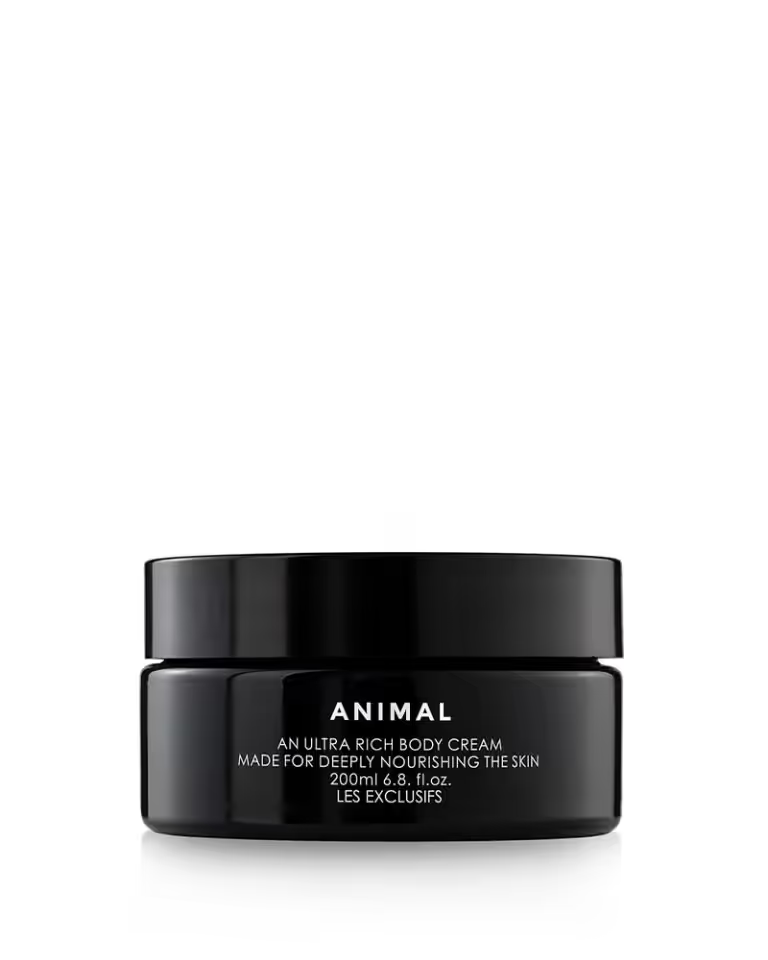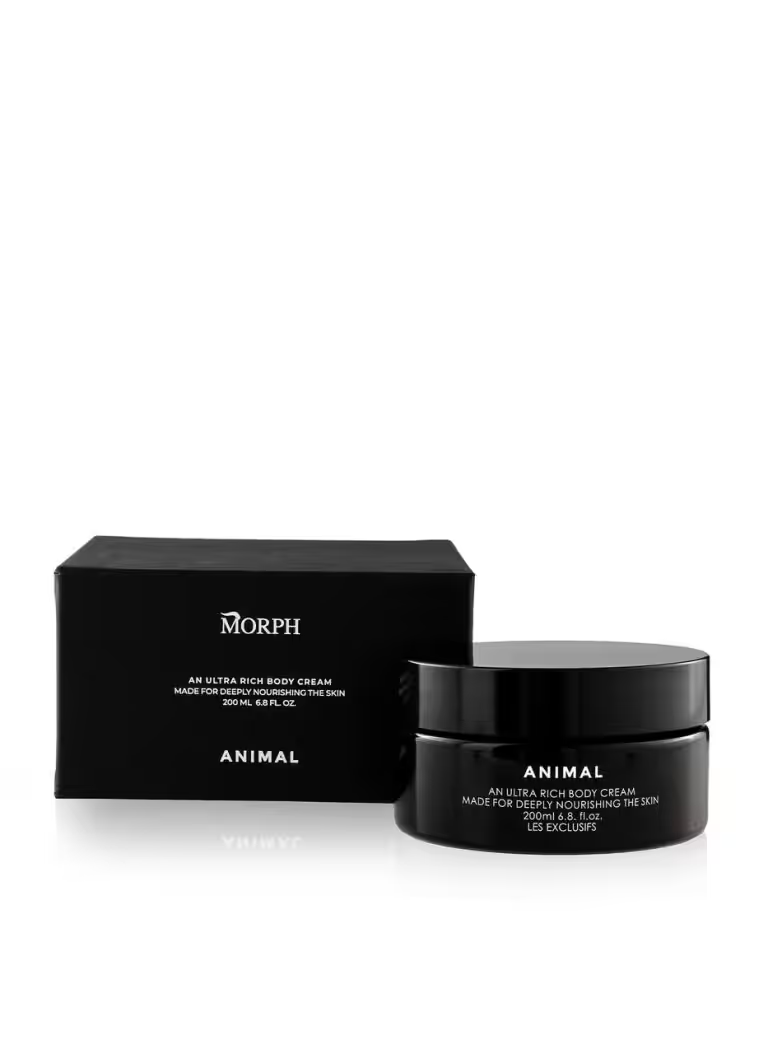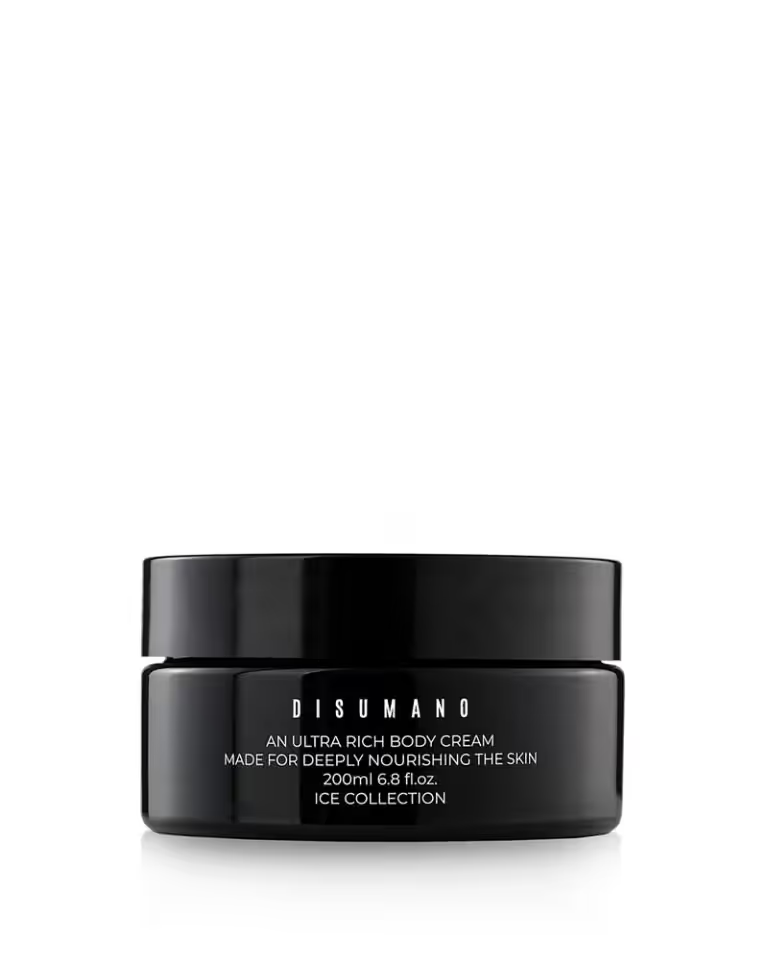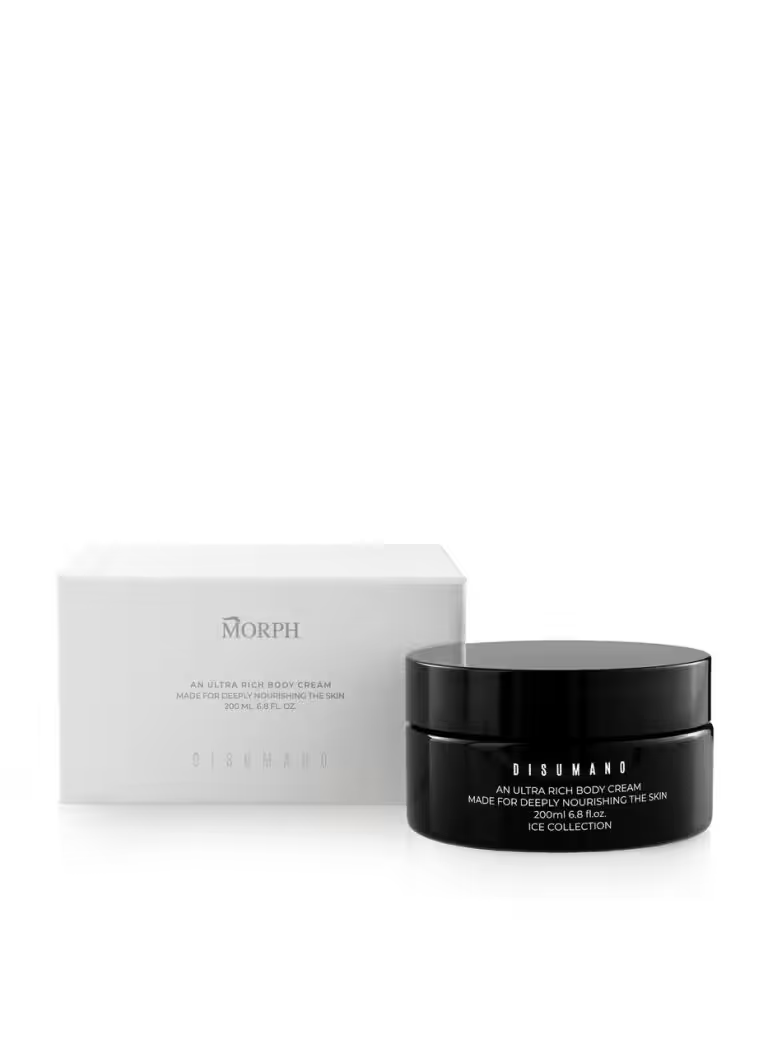
Your skin is the calling card you present to the world every day. Healthy, moisturized and glowing skin not only makes you look good, it is also an indicator of your general health. Unfortunately, dry skin can become a common problem, affecting everyday comfort and self-confidence. Whether you're a fan of exquisite fragrances or luxury cosmetics, taking proper care of dry skin should be a priority in your beauty routine.
In this article, you'll discover the hidden causes of dry skin, the symptoms you should watch out for and, most importantly, the effective treatments recommended by experts. You'll find out which creams are ideal for your finicky skin and how to keep looking young and radiant, even when you're dealing with this condition. Get ready to invest in the health and beauty of your skin - because you deserve to glow every day!
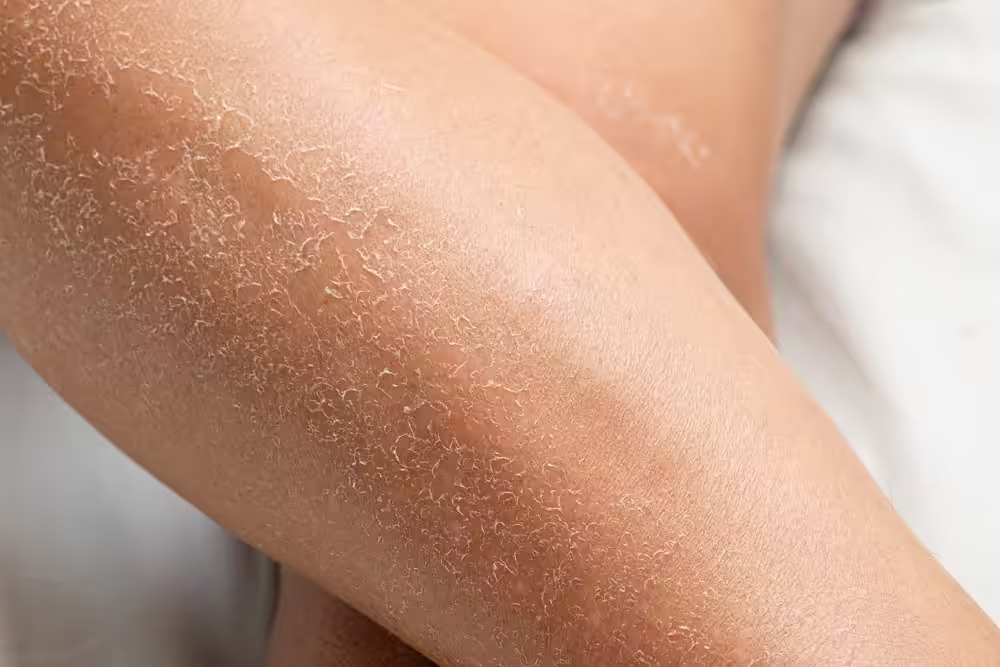
Photo source: Shutterstock.com
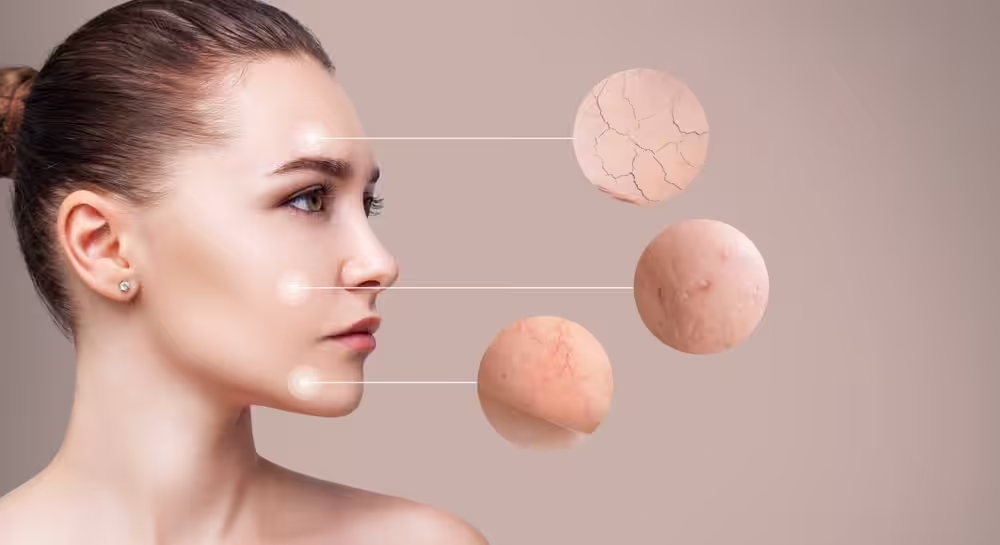
Dry skin, also known medically as xerosis or xeroderma, dermatitis is a common dermatological condition characterized by insufficient hydration of the upper layer of the skin (epidermis). It occurs when the skin loses its ability to retain water and essential lipids, a process influenced by internal and external factors. Dry skin can affect any area of the body, but is more common on the hands, feet, elbows and face.
Characteristic signs and symptoms of xerosis include a feeling of tight or „pulling” skin, which may be accompanied by a rough, loose appearance caused by moisture loss. Visible flaking and peeling can also be obvious symptoms. In addition, dry skin may itch (pruritus), and in more severe cases, fine cracks or even deeper fissures can appear and cause pain.
In more severe forms of very dry skin, painful cracks that may bleed, inflammation or thickening of the skin may occur. Also, because of damaged protective barriers, the skin becomes more vulnerable to secondary skin infections, which can lead to further complications.
Some of the most common causes of dry skin are factors such as temperature variations (especially in the cold season), prolonged exposure to the sun, excessive use of harsh cleansers or exposure to dry air. However, dry skin can be a symptom of medical conditions such as:
If symptoms persist, are severe, or do not respond to regular moisturizing treatments, consulting a dermatologist is essential to correctly diagnose and establish a personalized treatment plan.
Xerosis occurs when the stratum corneum of the epidermis, which is supposed to hold the water and lipids needed to maintain hydration, loses its integrity and functionality. As moisture is lost, the skin becomes drier, rougher and more prone to cracking, inflammation and irritation.
In addition to aesthetic discomfort, dry skin can also lead to health complications. Excess water loss from the epidermis impairs the skin's barrier function, which protects the body from pathogens and irritants. This can favor skin infections and aggravate other existing skin conditions. Dry skin can also become more sensitive and less able to resist external factors, increasing the risk of inflammation and allergic reactions.
The factors that contribute to the appearance and aggravation of dry skin can be divided into two categories: external and internal.
External factors include any environmental conditions or behaviors that directly affect the skin:
Internal factors refers to physiological or pathological conditions that affect the skin's ability to keep itself moisturized:
Some dermatologic conditions and systemic can cause dry skin, and early diagnosis is essential to prevent complications. These include:
In extremely dry skin, the cause may be more complex and may require further investigation. For example, certain medicines, such as diuretics, statins or treatments oncology, can lead to severe drying of the skin. Also, eating disorders such as anorexia, can cause extreme skin dehydration.
It is essential that people who experience persistent dry skin or skin that does not respond to regular moisturizing treatments consult a dermatologist for a proper diagnosis and treatment.
Dry skin can affect different areas of the body, each with its own peculiarities and causes. Here's how dryness manifests itself in different regions of the body and what care measures can be applied to relieve the symptoms:
Hands are constantly exposed to external agents such as water, soaps and detergents, which can lead to dry skin. This manifests as roughness, flaking, painful cracks and a feeling of tightness. To prevent and relieve dry skin on the hands and its causes, it is recommended:
Dry skin on the feet can be caused by factors such as exposure to cold temperatures, lack of moisturization or excessive use of closed shoes that do not allow the skin to breathe. In severe cases, very dry, cracked skin and intense flaking can occur. Treatment measures include:
Dry skin can lead to scaly or flaky patches. Common causes of facial dryness are exposure to harsh environmental factors, use of unsuitable cosmetics or general dehydration. Care measures include:
The eyelids are a sensitive area of the face and dry skin in this region can cause discomfort, irritation and even inflammation. Treatment for this condition involves:
The neck area is often neglected in your skincare routine, and this can lead to dryness and premature aging. To prevent and treat dry skin on the neck, we recommend:
Dry skin on the feet may be accompanied by itching, which can be caused by lack of moisturization, exposure to extreme temperatures or dermatological conditions such as atopic dermatitis or psoriasis. In these cases, treatment measures are:
Dry skin can therefore occur on different parts of the body and can be caused by a combination of internal and external factors. It is important to apply appropriate treatments for each area and consult a dermatologist when symptoms persist or worsen.
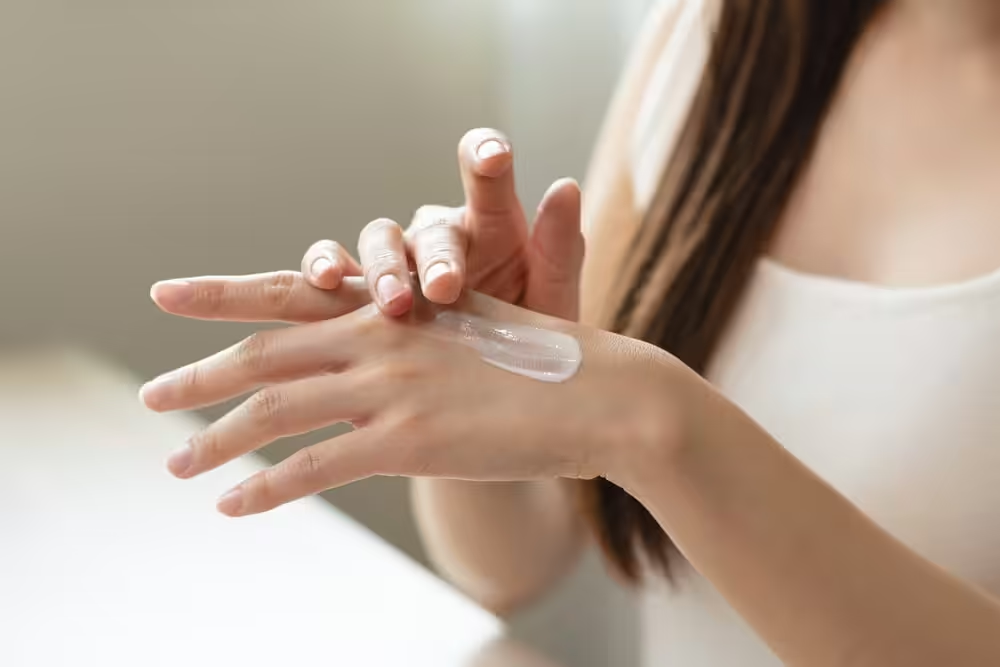
Photo source: Shutterstock.com
To properly care for dry skin, dermatologists recommend adopting a daily moisturizing routine, based on the use of specific products that help restore the skin barrier and maintain an optimal level of hydration. It is essential that the products chosen are suitable for your skin type and contain ingredients that help replenish the skin and protect against dehydration.
Recommended for moisturizing dry skin:
Recommendations for daily care of dry skin:
Dermatologist-recommended treatments for dry skin:
For severe cases of dry and irritated skin, dermatologists recommend:
If symptoms of dry skin persist despite moisturizing measures, it is advisable to consult a dermatologist for a correct diagnosis and appropriate treatment. Treatment should be tailored specifically to each person's needs, taking into account the possible causes of dry skin.
In order to prevent dry skin and keep it healthy, it is essential to adopt a daily moisturizing routine, as well as using natural treatments and remedies. First and foremost, intense moisturizing plays a fundamental role. It is recommended to apply a body cream for dry skin, rich in moisturizing ingredients such as shea butter, coconut oil or glycerine, immediately after showering, on still damp skin. This will help retain moisture and moisturize the skin twice a day, morning and evening.
In addition to specific skincare products, there are also natural remedies that can support moisturization. Natural oils such as olive oil or coconut oil, applied directly to dry areas of skin, they have a powerful emollient effect. Also, natural honey can be used as a moisturizing mask for the face and neck, and a oat and milk paste can help both exfoliate and moisturize the skin.
In terms of daily hygiene, it is recommended to limit showers to a maximum of 10 minutes and to use lukewarm, not hot, water so as not to damage the skin's protective barrier. You should avoid harsh soaps and opt for gentle, fragrance-free cleansers that do not irritate or dry the skin.
Diet also plays an important role in maintaining healthy skin. Eating foods rich in omega-3 fatty acids, such as oily fish, nuts and seeds, can help moisturize the skin from the inside. It is also essential to include antioxidant-rich fruits and vegetables in your diet to protect the skin from environmental factors. Proper hydration is equally important, and water intake helps maintain optimal hydration levels.
For protection against environmental factors, it is necessary to use a sunscreen every day and to wear clothes that protect the skin from wind and cold, especially in the cold season. A humidifier can also help combat the effects of dry air, especially in enclosed spaces, where heating can lead to low humidity.
Herbs are an effective remedy for dry skin. Infusions of chamomile, Marigold or aloe vera aloe vera gel applied directly to the skin has soothing and moisturizing effects. Last but not least, essential oils such as lavender or rose, diluted in carrier oil, can be used to massage the skin to improve circulation and moisturize.
These natural methods can help prevent and relieve dry skin symptoms. It is important to be consistent in their application and pay attention to the specific needs of your skin.
Although dry skin is often an easy problem to manage at home, in certain situations it is essential to seek help from a dermatologist. If symptoms persist or worsen despite moisturizing and care at home, or if dry, itchy skin interferes with sleep and daily activities, it's a good idea to see a specialist. Also, the appearance of deep cracks, bleeding or signs of infection may indicate the need for medical evaluation.
If dry skin persists in children and does not respond to usual treatments, or if dermatitis or a medical condition is suspected, dermatologic consultation becomes essential. It's important to seek medical help if you notice signs such as rough skin in babies with intense redness or rashes, dry skin in babies that does not improve with baby moisturizers, or large areas of skin with severe crusting and flaking.
If systemic symptoms, such as fever or general malaise, also occur, seeing a specialist becomes an emergency. A dermatologist can identify the exact cause of dry skin, rule out serious dermatologic conditions and prescribe appropriate topical or oral treatments. This specialist will also provide personalized skin care recommendations. If dry skin is significantly affecting your quality of life or you have concerns about the health of your skin or your child's skin, don't hesitate to seek medical help.
In conclusion, dry skin is a common dermatological condition that can be effectively managed with a proper moisturizing and care routine. In some cases, however, it may indicate more complex disorders or underlying medical conditions requiring specialized intervention. It is essential to pay particular attention to the choice of appropriate products and to follow the advice of a dermatologist, especially in situations where symptoms persist or worsen. A preventive approach, based on intensive moisturizing and adequate protection, not only helps to relieve symptoms but also to maintain optimal skin health in the long term. Seeing a specialist in case of concerns or worsening of the condition is an essential step for personalized treatment and effective management of dry skin.
References and specialized sources: