What's hidden inside a perfume bottle? What flavors are interwoven and what senses will they awaken once they touch the skin? Will they bring memories to life, transport you to a special world, inspire you or throw you into a sea of feelings?
Behind the elegant design and sophisticated label lies an untold story, an alchemy masterfully orchestrated by master perfumers. On contact with the skin, the fragrance transforms into a personal, unique experience, an expression of individuality and style. From subtle notes to complex accords, the magical power of fragrance conceals a true art.
From the first ingredient of a perfume to the last, every step is essential. With each ingredient chosen and each technique used, the master perfumer gets closer to the olfactory creation he dreams of. Like a contemporary alchemist, he combines precious ingredients, taken straight from the heart of nature, and brings to life in his laboratory fragrances that impress, inspire and envelop.
A perfume is therefore the result of a precise combination of ingredients. Following the recipe, they are mixed in precise proportions and orders. These formulas are a perfume's best-kept secret and are handed down from generation to generation.
The process is meticulous and complex and can be sprinkled with secrets passed down from generation to generation. Creating a perfume requires passion, dedication and a deep understanding of the olfactory universe.
The most important ingredient in a perfume is the very "perfume" - i.e. the aromatic ingredient, essential oil or perfume essence. This extract can be obtained differently, depending on the technique used:
- distillation - when the plant material is heated and the vapors released are condensed, separating the essential oil from the water;
- expression - specific to citrus fruits, involves cold-pressing the peels to extract the essential oils;
- solvent extraction - used for delicate flowers, such as jasmine or rose, treated with volatile solvents, which absorb the essential oils and are then evaporated, leaving behind a concentrate called 'absolute';
- maceration - when plant material is soaked in hot oils to extract aromatic compounds.
Each technique has its advantages and disadvantages, influencing the quality, yield and final cost of the aromatic extract. Master perfumers carefully choose the right method for each ingredient, taking into account its unique characteristics and the desired effect in the final composition.
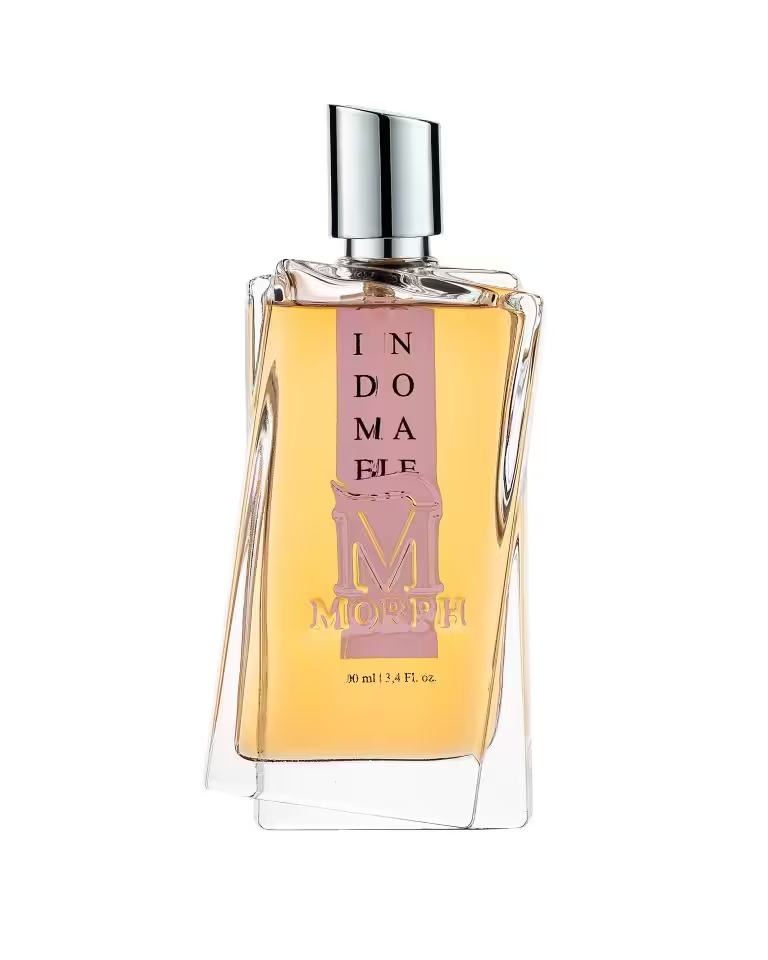
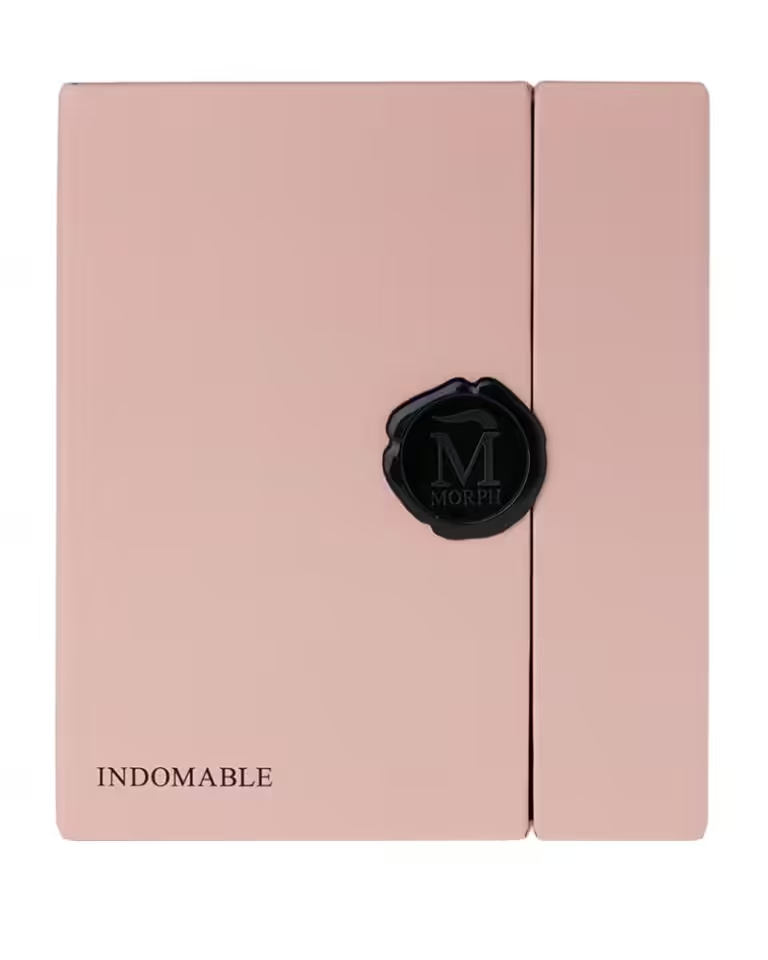
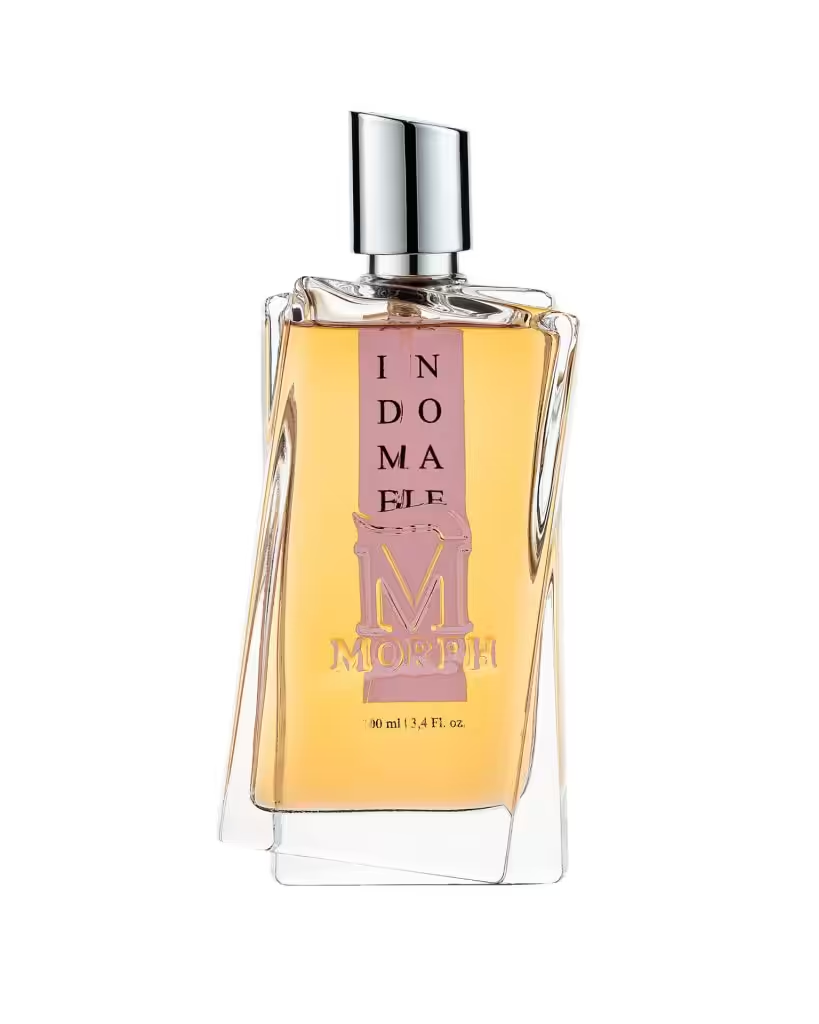
Delicate floral essences (jasmine, rose, tuberose), used in perfumes such as Kolonaki or Umhh, need gentle techniques such as countersinking or solvent extraction. Distillation is one of the most common techniques for extracting essential oils from sandalwood, cedarwood, vetiver, cinnamon or cardamom, used in fragrances such as Indomable or Cruda, and solvent extraction or maceration are often used to extract oud, amber or frankincense, unmistakable oriental notes.
In addition to essential oil, several other essential ingredients are needed to make a fragrance:
- alcohol, in concentrations that vary depending on the type of perfume (eau de parfum, eau de toilette, etc.), the main solvent in most perfumes, which dilutes essential oils and facilitates their evaporation on the skin;
- fixatives: musk, amber, vanilla, sandalwood, etc., responsible for "binding" the fragrance notes and prolonging their persistence on the skin.
Optional ingredients are:
- water, which is added to some fragrances to dilute the alcohol concentration and create a lighter texture;
- colorants, which are necessary for aesthetics and design but do not affect the flavor;
- stabilizers to prevent the fragrance from degrading over time and maintain its quality;
- UV absorbers, which protect the fragrance from the sun's rays and prevent aroma alteration.
While essential ingredients are indispensable to the creation of a fragrance, optional ingredients play an important role in defining its final character. Master perfumers select them carefully, taking into account factors such as the type of fragrance, olfactory pyramid, desired persistence, aesthetics and design.
The most loved flavors of the cold season
In the fall-winter season, the star notes are either warm and sensual or festive and spicy.
Warm and sensual notes include:
With the winter holidays approaching, festive, spicy accents take their place:
Magnetism, comfort, depth - these are the main feelings that cold season fragrances should arouse. Amber, woody and spicy notes create a rich and sophisticated olfactory symphony, perfect for social events and festive evenings. These lingering aromas blend perfectly with the heavy fabrics of the cold season (wool, cashmere, tweed, fur, etc.) and create a memorable impression.
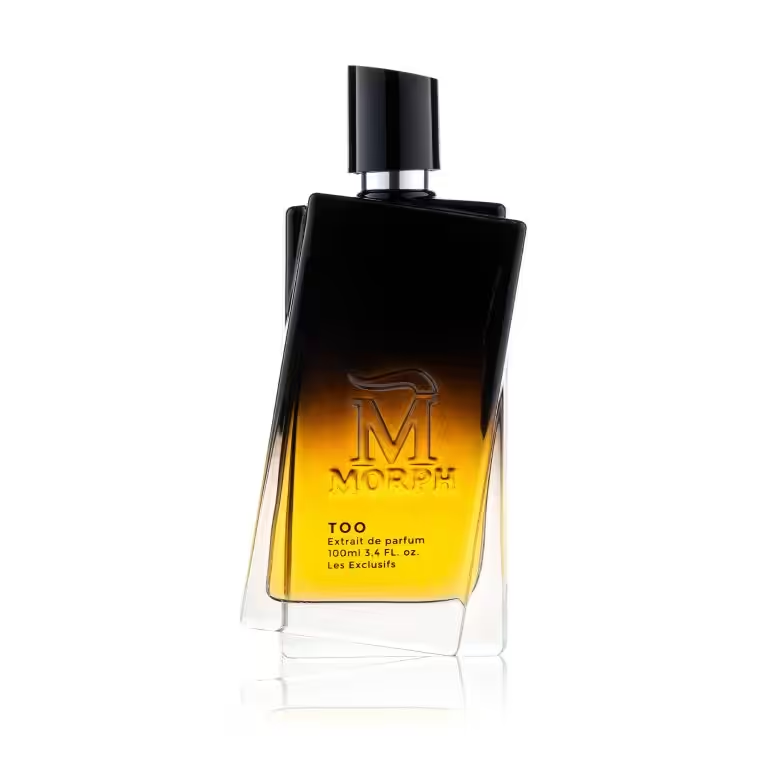
Morph Parfum is distinguished by its innovative and bold approach to combining ingredients. Each collection explores a vast olfactory territory: from modern reinterpretations of classic accords to avant-garde, surprising combinations.
Kolonaki and Cruda are two classic, reinterpreted combinations from the famous collection of Luxury fragrances:
Mystery and sensuality are two characteristics of the cold season, so make these two fragrances great options for the fall-winter season.
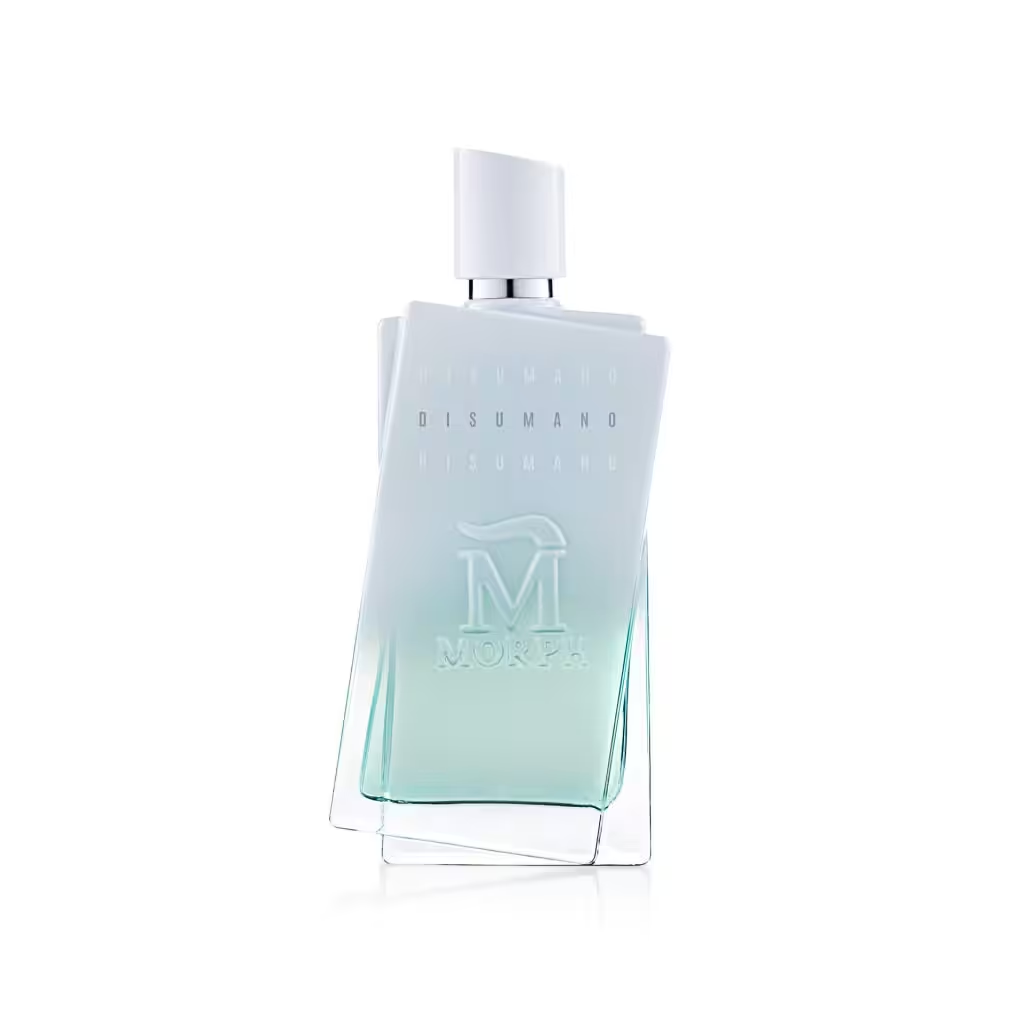
Indomable, Disumano and Animal are avant-garde combinations of Morph Parfum:
The classic-avant-garde duality didn't escape the Morph labs either, as the perfumers created Oud Mafia and Umhh. If the first one manages to harmoniously combine classic notes such as rose with oud, this precious and pretentious oriental ingredient, in Umhh the fruity notes of blackcurrant and raspberry are combined with floral notes of tuberose and jasmine in a playful and modern way, redefining the concept of a floral-fruity fragrance.
All of this demonstrates Morph perfumers' mastery of combining ingredients, exploring both classic accords, reinterpreted in a modern way, and avant-garde, novel combinations.
In perfume composition, success depends first and foremost on the quality of the ingredients. No matter how talented the perfumer or how good the recipe, the persistence, the clarity of the notes and their harmony on the skin are strongly influenced by the choice of ingredients.
The cold season is representative of the festive atmosphere, the melancholy of autumn and the intimacy of winter. Soft fabrics, scented candles and warm aromas enhance sensuality and create a romantic atmosphere. At this time of the year, scents take on a special importance, becoming an extension of our inner moods and a way to connect with the atmosphere of the season.
Fragrances become part of our sensory experience. Morph Parfum takes care to give you the right notes every season.
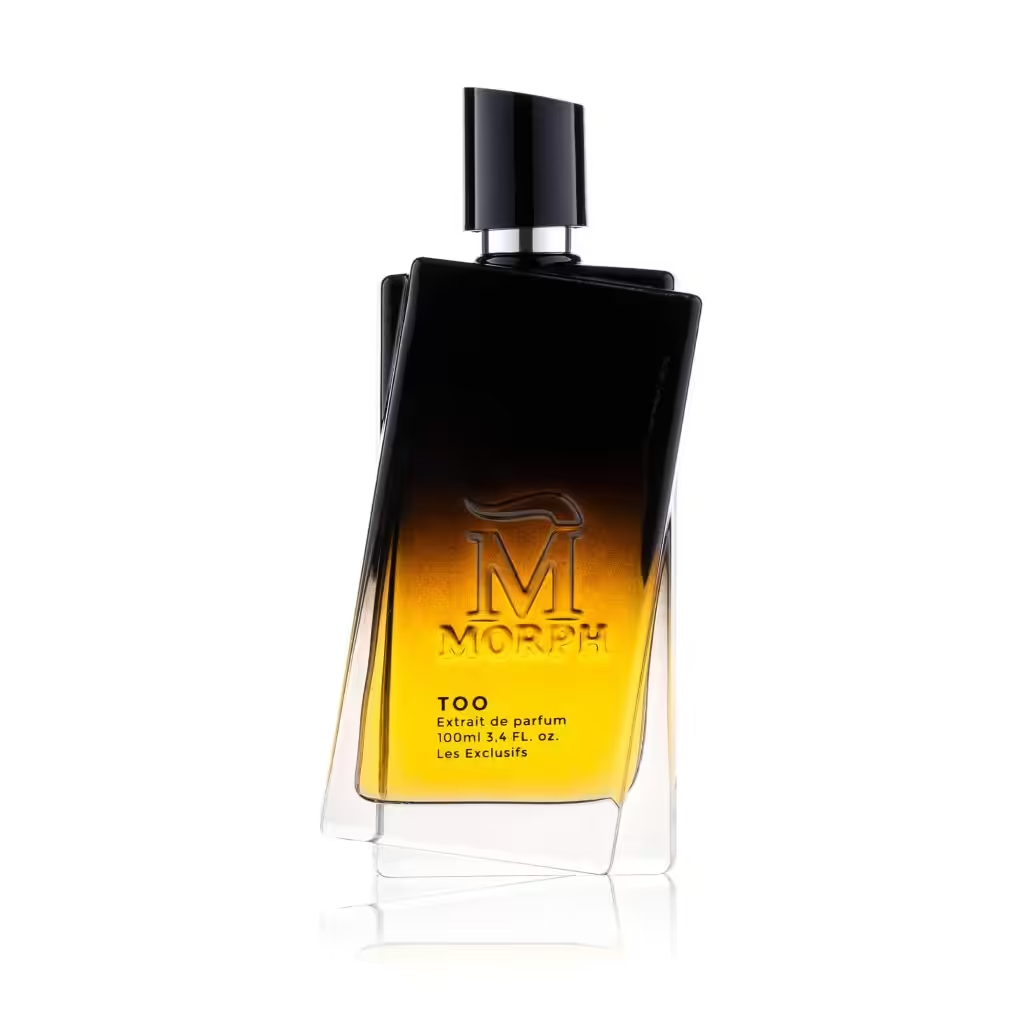
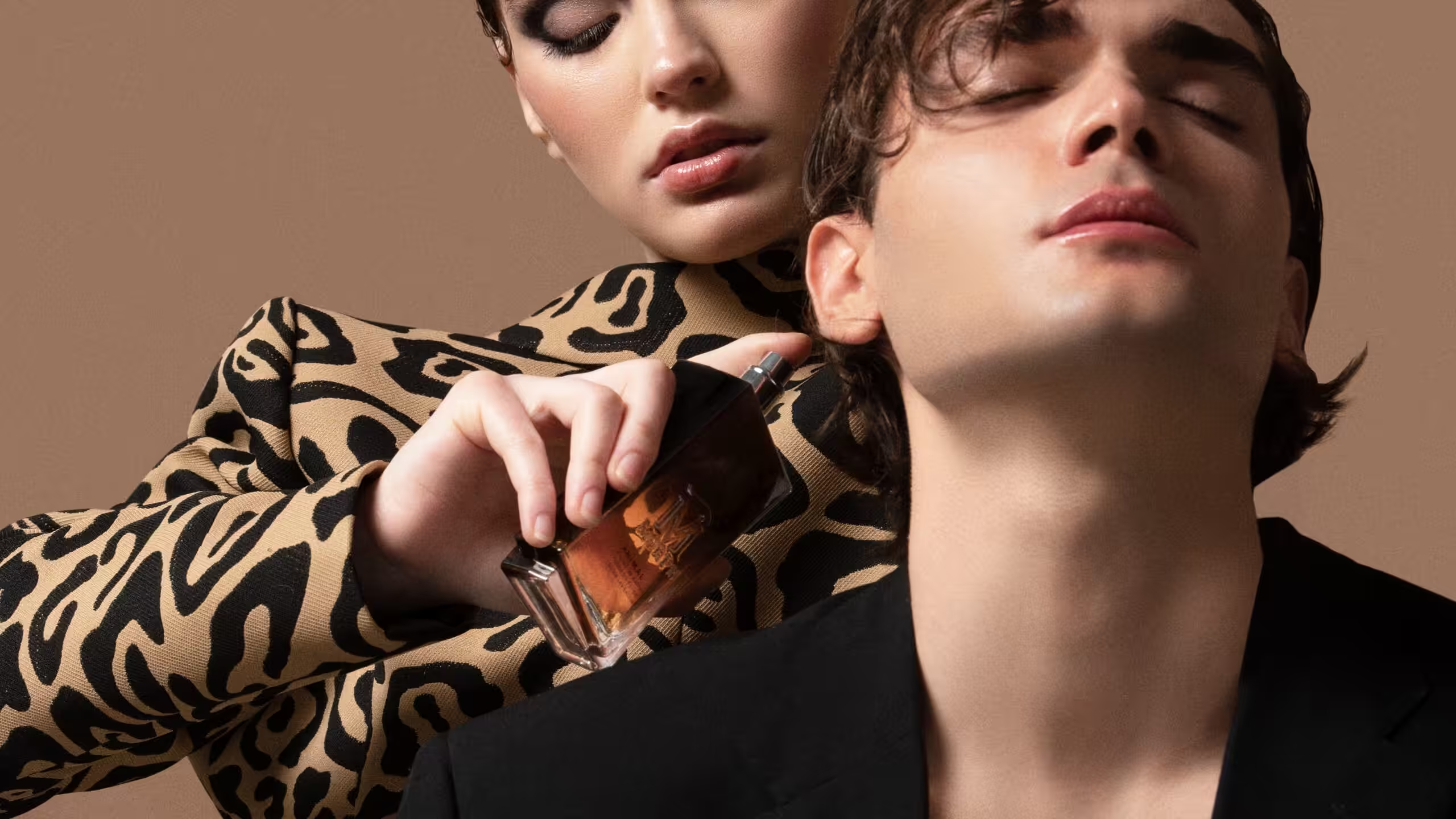
The duality of the fragrances reflects the philosophy of the Morph brand, which aims to create fragrances with personality for those who seek unique, memorable, exclusive olfactory experiences. Morph is more than just a brand: it is a sophisticated and complex olfactory universe that manages to represent you anytime and in any situation. Let yourself be enveloped and spread these incomparable aromas.